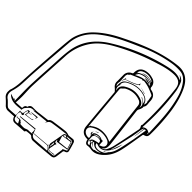



For vehicle owners, fleet managers, and heavy equipment operators, ignition system maintenance is a critical factor in the Total Cost of Ownership (TCO). A common source of confusion lies in the fundamental differences between gasoline and diesel engines. While one relies on an electrical spark to run, the other relies on pure pressure.
This guide provides a deep dive into how often you should change spark plugs, the detailed cost breakdown, and why diesel owners must reinvest their “spark plug savings” into filtration systems to ensure reliability.
Spark Plug Maintenance (Gasoline Engines Focus)
In a gasoline engine, the spark plug is the catalyst for combustion. It forces electricity to arc across a small gap, igniting the air-fuel mixture. Over time, this electrode wears down, causing a weak spark, reduced power, and wasted fuel.
How Often Should You Change Spark Plugs?
This is one of the most frequently asked questions in automotive maintenance. The answer depends entirely on the material of the spark plug and your driving conditions.
1. Copper Spark Plugs (Standard)
- Interval: Every 20,000 to 30,000 miles.
- Why: Copper is highly conductive but soft. The electrode wears down physically with every spark. Best for older, low-compression engines.
2. Platinum Spark Plugs (Single & Double)
- Interval: Every 60,000 to 100,000 miles.
- Why: Platinum has a higher melting point. Double platinum plugs significantly reduce wear in modern waste-spark ignition systems.
3. Iridium Spark Plugs (Premium)
- Interval: Every 100,000 to 120,000 miles.
- Why: Iridium is six times harder than platinum, allowing for a finer electrode wire that optimizes combustion efficiency for the longest period.
upgrading your ignition? Check our catalog of High-Performance Spark Plugs.
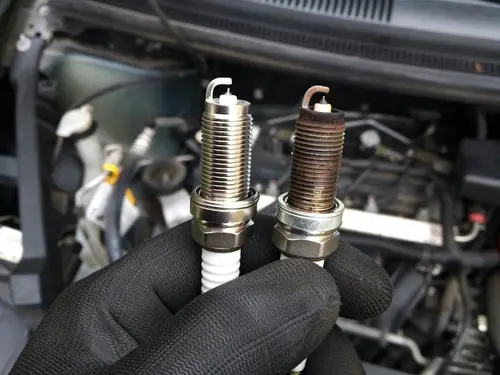
Spark Plug Replacement Cost Breakdown
Replacing spark plugs is an inevitable expense for gasoline vehicle owners. Below is a detailed look at where your money goes in 2026.
Cost Variables Table
| Cost Factor | Estimated Price | Details |
| Parts (Copper) | $4 – $12 per plug | Budget-friendly but higher long-term labor cost due to frequency. |
| Parts (Iridium) | $18 – $35 per plug | Higher upfront cost, but lasts 4x longer. |
| Labor (4-Cylinder) | $80 – $150 | Easy access; usually a 1-hour job. |
| Labor (V8/Trucks) | $250 – $500+ | Complex access. Often requires removing the intake manifold (common in Ford/Ram trucks). |
| Total Professional Cost | $150 – $600 | Varies by region and shop rates. |
The Diesel Difference – Why No Spark Plugs?
If you are looking for the spark plugs on a diesel engine, you will never find them. Diesel engines save owners $0 in spark plug costs because they operate on a completely different principle called Compression Ignition.
The Engineering Explained
Instead of using a spark to ignite the fuel, diesel engines use physics:
- High Compression Ratio: Diesel engines compress air at a massive 15:1 to 25:1 ratio (Gasoline is typically 10:1).
- Heat Generation: This compression heats the air in the cylinder to over 1,000°F (538°C).
- Spontaneous Combustion: When diesel fuel is injected into this superheated air, it explodes instantly.
What About Cold Starts? (Glow Plugs)
Diesel engines utilize Glow Plugs for cold weather starting.
- Function: Heating elements that warm the cylinder before the engine cranks.
- Maintenance: Unlike spark plugs which fire continuously, glow plugs only work for a few seconds during startup. They typically last 100,000+ miles.
Diesel vs. Gasoline – Performance & Maintenance Comparison
While diesel owners avoid spark plug costs, they face different maintenance challenges.
Comparative Data Table
| Feature | Gasoline Engine | Diesel Engine | Advantage |
| Ignition System | Spark Plugs (Frequent changes) | Compression + Glow Plugs | Diesel (Lower Maintenance) |
| Fuel Efficiency | Lower MPG | 20%–35% Higher MPG | Diesel |
| Torque Output | Higher RPM | High Torque at Low RPM | Diesel (Best for Towing) |
| Risk Factor | Ignition Coil Failure | Misfueling / Injector Failure | Gasoline (Cheaper Repairs) |
Authoritative Source: According to the U.S. Department of Energy, diesel engines are 30-35% more efficient than gasoline engines due to the higher energy density of the fuel.
Ignition Integrity: Why Fuel Quality Matters More Than Spark Plugs
In a gasoline engine, the ignition source is the spark plug. In a diesel engine, the ignition source is the fuel itself. Therefore, while diesel owners save money on plugs, they must be hyper-vigilant about fuel integrity.
The Technical Risk: Misfueling
Introducing gasoline into a diesel ignition system causes catastrophic failure.
- Lubricity Loss: Diesel fuel lubricates the high-pressure fuel pump and injectors. Gasoline acts as a solvent, stripping this lubrication.
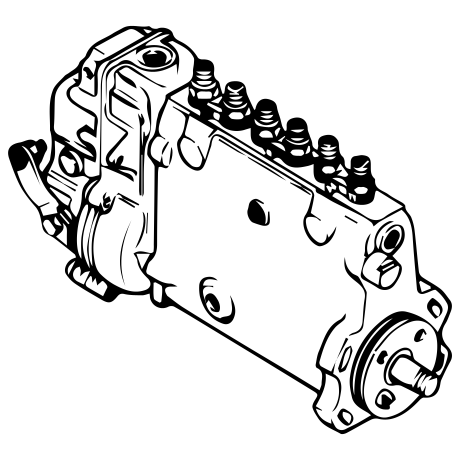
- The Cost Reality: A single misfueling incident can destroy the injection pump.
Estimated Repair: $5,000 – $8,000 (Full fuel system replacement).
The AA (Automobile Association) reports that over 150,000 drivers misfuel their vehicles annually, leading to significant engine damage.
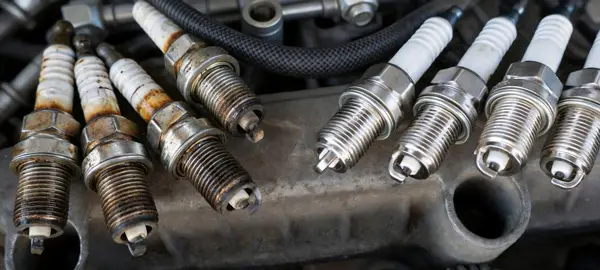
Reallocating the Budget: Where to Invest Your “Spark Plug Savings”
Since diesel owners do not spend 200–500 every few years on spark plugs, that budget should be reallocated to critical support components to maintain ignition reliability.
1. Fuel Filtration (The Diesel “Tune-Up”)
Because the fuel injector is the ignition delivery system, it must be surgically clean.
- Recommendation: Replace Fuel Filters & Water Separators every 10,000 to 15,000 miles.
- Why: Modern injectors operate at 30,000 PSI. Even microscopic water droplets can score the injector, preventing ignition.
2. Battery & Cranking Amps
Diesel engines need massive force to compress air to 1000°F.
- Recommendation: Load-test batteries annually. Weak batteries cannot spin the engine fast enough to generate the heat required for compression ignition.
- Parts: Shop heavy-duty Starters & Alternators.
3. Air Intake Health
Restricted airflow lowers the compression ratio, leading to incomplete combustion (black smoke).
- Recommendation: Check your Turbocharger and replace air filters regularly to maintain power density.
4. Oil Viscosity
In systems like HEUI (Hydraulically Actuated Electronic Unit Injection), dirty oil stops injectors from firing.
- Recommendation: Regular changes with Engine Oil Filters are non-negotiable for ignition health.
Pro Tips to Save on Spark Plug Replacement Costs
- Adhere to Routine Maintenance Inspections
The best way to save money is to catch issues before they escalate. Maintain routine inspections to identify ignition problems promptly. A single faulty spark plug can cause progressive damage to your gasoline engine, potentially leading to catastrophic failures that cost far more than a simple tune-up. Strict adherence to a maintenance schedule is your best defense against considerable labor costs and expensive operational downtime. - Opt for DIY Spark Plug Replacement
If you are a seasoned mechanic or a budget-conscious DIYer, choosing to change spark plugs yourself is the most effective way to lower costs. Labor charges are often the main culprit behind expensive repair bills, sometimes exceeding the cost of the parts themselves. By taking the DIY route, you eliminate these fees and gain the flexibility to select OEM-quality aftermarket spark plugs at a more affordable price point. While the replacement process is straightforward on most off-road equipment, always proceed with caution to ensure precise installation. - Replace the Entire Set of Spark Plugs Simultaneously
Replacing a single faulty plug may seem cheaper upfront, but replacing the whole set at once is the smarter long-term investment. If one spark plug in the cylinder head fails, it is a strong indicator that the remaining plugs are equally worn and near failure. Swapping the entire set simultaneously prevents you from paying for duplicate labor costs later and avoids the frustration of unexpected downtime when the next plug inevitably gives out. - Source from Reputable Aftermarket Suppliers
You don’t need to pay dealership markups. Instead, look for reliable aftermarket suppliers online that offer high-performance spark plugs at competitive prices. These suppliers often provide exclusive value, such as coupons, seasonal promotions, and volume discounts when you purchase a pack of 4 or more. Furthermore, established suppliers optimize their logistics to ensure your parts are shipped at crazy fast speeds from the nearest warehouse, minimizing the time your machine sits idle.
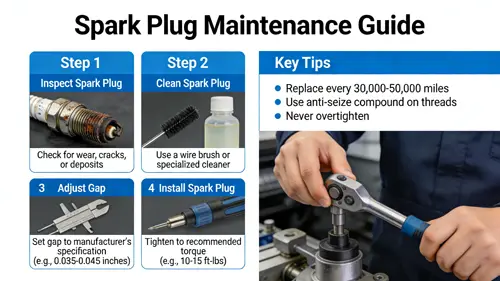
Cost Analysis: DIY Spark Plug Replacement
For seasoned mechanics or budget-conscious DIYers, performing the replacement yourself is a highly recommended strategy to minimize maintenance expenses. Unlike many modern passenger cars where spark plugs are buried beneath the intake manifold requiring hours of disassembly, the plugs on off-road equipment are typically more exposed and easily accessible. This structural advantage makes DIY replacement both practical and efficient. You simply need to procure the new spark plugs and basic tools, such as a dedicated spark plug socket and a torque wrench. Consequently, this approach can drastically reduce the average replacement cost to no more than $100, effectively eliminating the high markup of professional labor.
Critical Warnings Before Starting DIY Replacement
- Avoid Overtightening and Cross-Threading
Extreme caution is required when tightening plugs. Most cylinder heads are manufactured from aluminum, a soft metal where threads can be stripped very easily. A stripped thread turns a routine maintenance job into a costly cylinder head repair. Always thread the new plug by hand until it is fully seated to ensure proper alignment, and then use a wrench for the final tightening. If a torque wrench is available, strictly follow the manufacturer’s torque specifications to prevent damage. - Verify the Spark Plug Gap
Never assume a “pre-gapped” plug is correct right out of the box, particularly when dealing with aftermarket parts. Shipping and handling can alter the delicate electrode distance. Always use a feeler gauge to verify that the gap matches your engine’s precise specifications. Installing a plug with an incorrect gap will lead to weak ignition, poor engine performance, and hard starting issues.
Comparison: DIY Replacement vs. Professional Service
If you remain indecisive between tackling the job yourself or hiring a mechanic, this comparison breakdown highlights the trade-offs in cost, effort, and risk.
| Comparison Dimension | DIY Replacement | Professional Service |
| Total Cost (Based on 4 Iridium Plugs) | OEM Plugs: $80 – $400 Aftermarket Plugs: $30 – $120 | Labor + OEM Plugs: $125 – $560+ Labor + Aftermarket Plugs: $80 – $280 |
| Tool Requirements | Specialized Tools Required (Socket, Ratchet, Torque Wrench, Gap Gauge) | No Tools Needed (Shop provides all equipment) |
| Expertise Requirements | Required (Risk: Improper installation may cause engine damage) | Not Required (Technicians handle the risk) |
| Learning Opportunity | High (Understand your machine) | None |
| Convenience | Flexible (Work on your schedule) | High (Zero time consumption for you) |
Why Regular Maintenance Matters
Regular ignition maintenance isn’t just routine—it prevents downtime, saves money, and protects the most expensive components in your engine. A tired spark plug starts to slack off.It misses a beat (misfire), wastes resources (fuel), and eventually passes the stress down the line to the manager—the catalytic converter—causing a complete system shutdown.Most manufacturers recommend replacing spark plugs every 30,000–100,000 miles, depending on the electrode material and driving conditions. Understanding how your ignition system works—and what it costs to maintain—helps you make smarter decisions about performance, reliability, and Total Cost of Ownership (TCO).
Whether you run a gasoline engine with spark plugs or a diesel platform that relies on glow plugs and compression ignition, the rule is the same: maintenance today prevents expensive failures tomorrow.
By following these updated 2026 guidelines, you ensure your engine—whether spark-ignited or compression-ignited—delivers peak performance for the long haul.