A cam shaft, more commonly written as camshaft, controls valve movement. When the lobes and followers are healthy, the engine breathes in the right rhythm. When one contact surface starts to fail, valve lift changes, cylinder balance suffers, and the complaint may look like low power, smoke, rough idle, hard starting, or valve-train noise.
The visible mark is often called cam lobe wear, but the mark itself is only the result. A flattened nose, small pits, deep scoring, or uneven contact pattern can point to very different causes. The useful question is not just what the damage is. It is what the damage is trying to tell you.
This guide keeps the focus on one fault: excessive lobe and surface wear. It explains what the pattern means, why it happens, what to check first, and how to avoid putting the engine back together with the real cause still inside it.
Quick Diagnosis: What Should You Check First?
Start with the pattern before you start replacing parts. In most cases, one bad lobe points to a local valve-train problem. Several similar worn areas point to oil, heat, contamination, or maintenance history.
| What You See |
What It Usually Means |
Check First |
| One lobe is badly worn |
Local follower, lifter, roller, lash, or valve issue |
Matching follower, pushrod, rocker arm, valve spring |
| Several lobes show similar damage |
Oil film failure or contamination |
Oil pressure, filter, oil passages, pump, service interval |
| Small pits or craters |
Surface fatigue, corrosion, poor lubrication, or storage damage |
Follower face, oil condition, storage history |
| Long grooves or scoring |
Abrasive debris, metal particles, or oil starvation |
Filter media, oil pan debris, bearings, air filtration |
| Uneven contact on one side |
Alignment, journal, or support problem |
Camshaft bearing, journal surface, bore alignment |
| Failure returns after replacement |
The root cause was missed |
Follower set, oil system, installation process, debris cleanup |
That first split matters. If the failure is local, inspect the parts that touch or control that one valve event. If the damage is spread across the shaft, do not stop at the top end. Look at the whole lubrication path.
How the Cam Shaft Works in the Valve Train
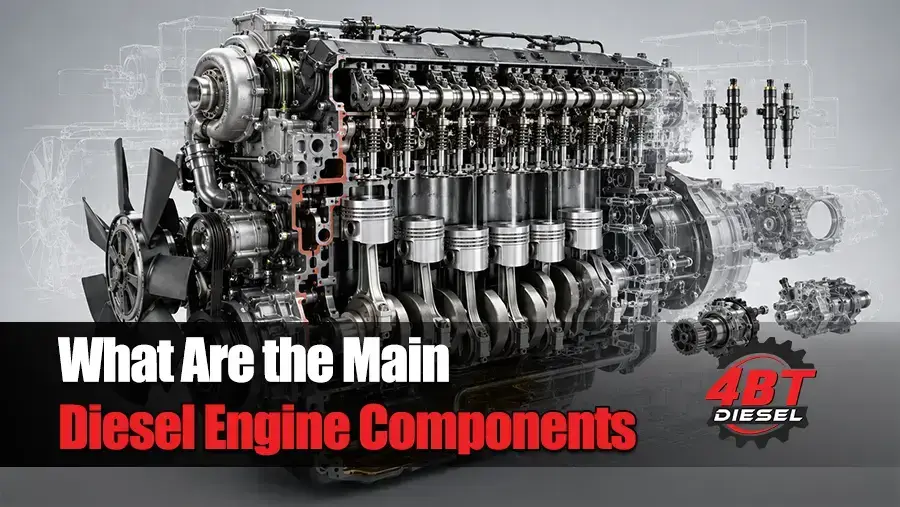
The shaft rotates with the engine. Raised sections called lobes press against lifters, tappets, roller followers, pushrods, rocker arms, and valves. As each lobe comes around, it opens a valve. The spring then closes the valve and the cycle repeats thousands of times per minute.
In a diesel engine, that movement affects intake air, compression, exhaust flow, and engine braking. This is why a vehicle camshaft problem can be mistaken for a fuel issue, turbocharger issue, air restriction, or sensor fault. The symptom may be felt in engine performance, but the cause can be mechanical valve movement.
What Does Lobe Wear Actually Mean?
Camshaft wear becomes a problem when the raised contact surface loses material, hardness, or shape. Since the lobe profile controls valve lift and timing, even a small amount of surface loss can change how the cylinder breathes.
Common signs include a flattened nose, grooves, rough contact areas, uneven edge wear, dark heat marks, small craters, metal flaking, or lobe height below specification. Light polishing may be normal on some engines. A surface that is grooved, pitted, flaking, or visibly flattened is not normal.
Once the hardened layer is compromised, the damage usually accelerates. The follower no longer rides on a stable surface, debris may enter the oil, and valve lash can start changing after adjustment.
Why One Lobe Fails Before the Others
If only one lobe is damaged, think locally first. A common real-world cause is a roller that stops turning, a lifter that sticks, or a follower face that begins to pit. The shaft may be the part you see damaged, but the mating part may have created the worn cam lobe in the first place.
Other local causes include a blocked oil feed near one area, incorrect lash on one cylinder, a weak valve spring, a bent pushrod, or abnormal load on that cylinder. In this case, replacing the shaft alone is risky because the same damaged follower or alignment issue can mark the new surface quickly.
If several lobes are worn in a similar pattern, the cause is usually broader. Low oil pressure, wrong viscosity, dirty oil, poor filtration, overheating, extended oil intervals, or poor assembly lubrication can affect multiple contact points at the same time.
Pitting, Scoring, and Spalling: Why the Surface Pattern Matters
Not all damage tells the same story.
Camshaft pitting looks like small holes or craters. It may come from fatigue, corrosion during storage, poor oil film, contaminated oil, or repeated high contact stress. Small pits matter because they can grow and release more material into the oil.
Scoring looks like lines or grooves. This usually points to abrasive debris, metal particles, oil starvation, or a contact surface sliding roughly instead of moving smoothly.
Spalling means pieces of the hardened surface have broken away. This is more serious than light pitting. Once flaking begins, the repair decision changes because loose metal can travel through bearings, oil passages, and other loaded areas.
Symptoms That Can Mislead Diagnosis
A worn camshaft can create symptoms that overlap with fuel, air, and electronic problems. Low power may be blamed on injectors. Smoke may be blamed on a turbocharger. Rough idle may be blamed on sensors.
Those checks may still be necessary, but the valve train should move up the inspection list when the complaint appears with ticking or tapping noise, abnormal lash, uneven cylinder contribution, weak engine brake performance, or metal in the oil filter.
In practical diagnosis, ask this first: is the engine breathing correctly? If a valve is not opening far enough because lobe lift has been lost, no amount of fuel-system guessing will fix the root problem.
Main Causes Mechanics Should Rule Out
1. Poor Lubrication
The lobe and follower need a thin oil film between them. If that film fails, metal-to-metal contact begins. This usually shows up as scoring, heat marks, rough contact areas, or several lobes wearing in a similar way.
Check oil level, pressure, viscosity, oil passages, startup oiling, pump condition, filter quality, and service interval. If oil starvation is suspected, inspect more than the visible lobe. Bearings, turbocharger parts, piston cooling, and other loaded surfaces may also have been affected.
2. Oil Contamination
Dirty oil acts like grinding compound. Dust from poor air filtration, soot overload, coolant, fuel dilution, or metal from another failed part can weaken the oil film and scratch the surface.
Cut open the filter if metal is suspected. Check for coolant or fuel dilution and inspect the intake path. If abrasive debris caused the damage, new parts can be ruined quickly unless the oil galleries and pan are cleaned properly.
3. Follower, Lifter, or Roller Failure
The mating part is often where the failure begins. A seized roller, pitted tappet face, sticking lifter, or damaged follower can destroy one lobe much faster than the rest.
Look for a flat spot on the roller, rough bearing movement, side loading, pitting on the follower face, metal flakes near the valve train, and one cylinder with abnormal lash. If the worst lobe lines up with a damaged follower, the shaft is not the only failed part.
4. Camshaft Bearing Wear
The bearing supports the shaft and keeps the lobes running in the correct position. If the bearing is worn, loose, misaligned, or starved of oil, the contact pattern can shift. That can create edge loading, journal scoring, vibration, abnormal noise, and repeat failure.
A new shaft installed into worn support areas may run briefly, but the same alignment or oil-clearance problem remains. Check bearing fit and journal condition before closing the engine.
5. Incorrect Installation or Break-In
Some failures begin during assembly. Wrong timing marks, lack of assembly lubricant, dirty assembly conditions, reused damaged followers, incorrect lash, wrong torque procedure, or startup before oil pressure is established can all mark the surface early.
If the damage appeared soon after replacement, review the installation process before blaming part quality. Early failure often points to assembly, oiling, or a reused mating component.
6. Overheating and Heavy Load
Heat weakens oil protection. Heavy load increases contact stress. Engines in construction, mining, heavy trucks, agriculture, generators, and long-idle applications can see harsh valve-train conditions even when mileage looks low.
Check operating hours, cooling history, idle time, oil temperature, and load profile. A low-mileage engine can still have serious surface damage if the working conditions were severe.
7. Corrosion or Poor Storage
Pitting can also begin before the engine is returned to service. When a stored engine sits in damp conditions, oil film drains away and moisture can mark the lobe surface. Those small corrosion marks can become pits once load is applied again.
If pitting appears with low operating hours, ask about storage location, moisture exposure, handling, and how long the engine sat before startup.
Step-by-Step Inspection Order
Use a fixed inspection order so the diagnosis does not turn into guessing.
- Identify the affected cylinder or lobe.
- Check valve lash and compare readings.
- Inspect the lobe surface for flattening, scoring, pitting, or flaking.
- Inspect the matching follower, lifter, roller, pushrod, and rocker arm.
- Check bearing support and journal surfaces.
- Review oil pressure history if available.
- Cut open the oil filter if metal contamination is suspected.
- Inspect oil passages for blockage.
- Check for coolant or fuel contamination in the oil.
- Decide whether the pattern is local or system-wide.
For component identification, use internal links only where they help the reader understand the system. The camshaft reference page is useful for shaft-related parts, while the broader diesel engine parts category helps when checking related bearings, oil-system parts, and valve-train components.
When Is Pitting Serious?
Light polishing does not always mean immediate failure. Pitting becomes serious when the pits catch a fingernail, appear on the nose of the lobe, spread across the contact area, appear together with follower damage, or come with metal in the oil filter.
When several of those signs appear together, the surface should be treated as failed. Continuing to run the engine can release more debris and make a small repair larger.
Recommended YouTube Videos for Visual Diagnosis
Photos and video can help when you are trying to separate normal polishing from real surface failure. When reviewing YouTube videos, look for close-up footage of the lobe surface, the matching lifter or roller, oil-filter debris, and before-and-after repair inspection. Avoid videos that only show the damaged shaft without explaining what caused it.
Useful YouTube searches include:
Use videos as visual support, not as the only diagnosis. The repair decision should still come from measuring the part, checking the matching follower, inspecting the oil filter, and confirming whether the wear pattern is local or system-wide.
How to Prevent Repeat Failure
Preventing repeat failure means fixing the reason the surface failed. Replacing the most visible damaged part only resets the clock if oil, debris, follower, bearing, or installation problems remain.
Before restart, confirm the correct oil viscosity and specification, oil pressure, filter quality, clean passages, service interval, bearing and journal condition, follower or roller condition, valve lash, timing procedure, and absence of metal debris. If a follower failed or the oil was contaminated, the repair has to include cleanup and mating-part inspection.
Summary
Cam shaft failure usually shows up as a damaged lobe, pitted surface, scored contact area, or loss of valve lift. The important question is not only whether the surface is worn, but why that pattern appeared.
One damaged lobe often points to a local follower, roller, lash, valve, or oil-feed issue. Several damaged areas often point to lubrication, contamination, overheating, or maintenance history. A complete diagnosis should include the mating parts, oil evidence, bearing support, valve lash, and metal-debris inspection.
Reading the pattern correctly helps prevent repeat failure and avoids replacing unrelated fuel or air-system parts when the real problem is mechanical valve-train wear.