

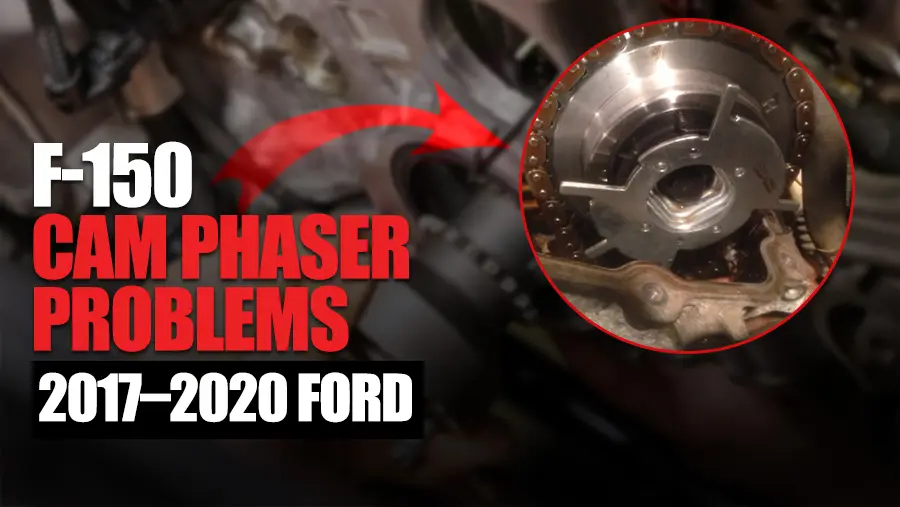
If you own or are considering a 2017–2020 Ford F-150 with the 3.5L EcoBoost engine, the term “cam phaser rattle” probably rings a bell — and not in a good way. Thousands of owners have reported a distinctive cold-start clatter or hot-idle knock that sounds like marbles rattling in a tin can. Many wonder: Is this just annoying noise, or does it signal impending engine trouble?
Twe dive deep into Ford F-150 cam phaser problems specific to the 2017-2020 models. You’ll learn the root causes, recognizable symptoms, step-by-step diagnosis methods, Ford’s official response through Customer Satisfaction Program 21N03, realistic repair costs in 2026, replacement options, lockout kit alternatives, and proven prevention strategies. Whether you’re hearing unusual noises or researching buying a used truck, this article will ensure you gain a deeper understanding of Cam Phaser to protect your investment and maintain the reliable performance of your F-150.
What Is a Cam Phaser and Why Does It Matter?
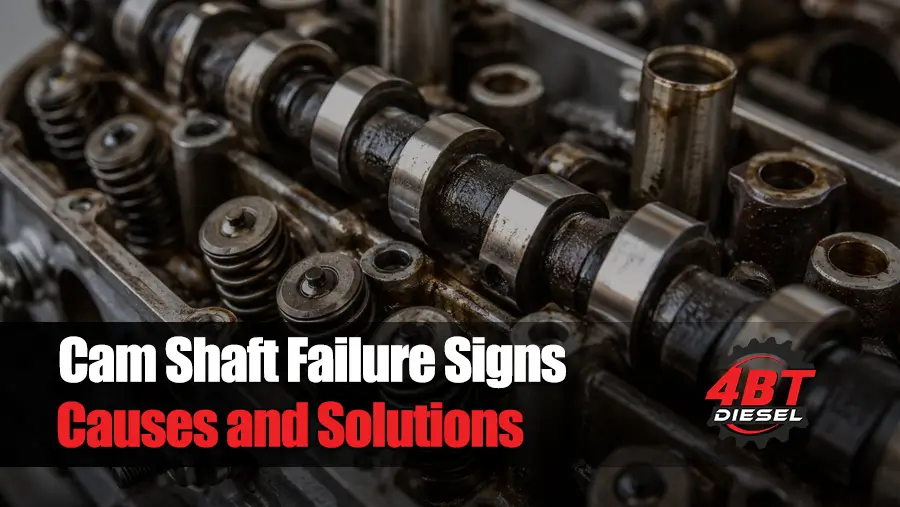
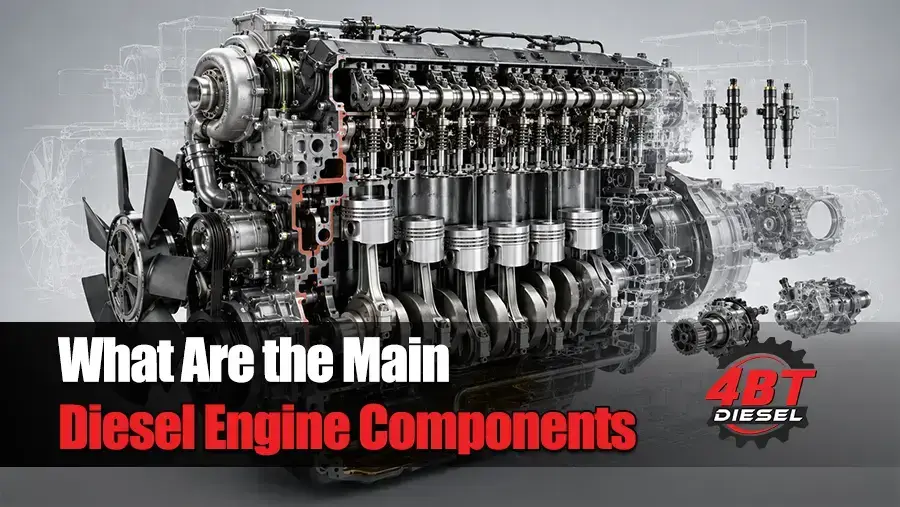
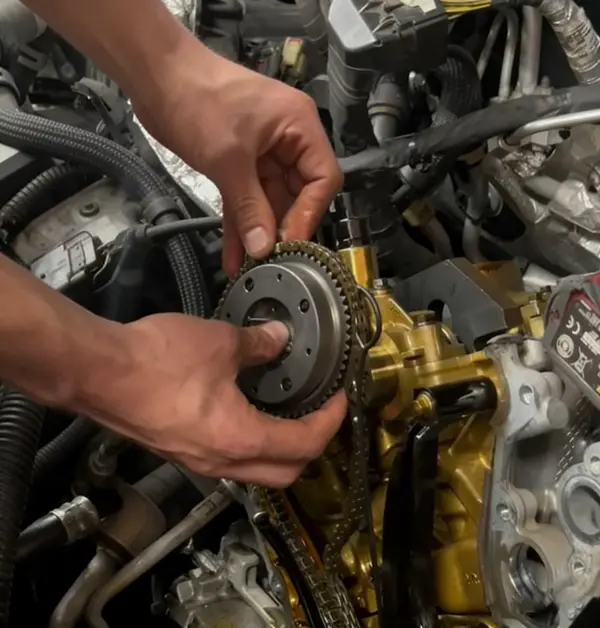
The cam phaser, formally known as a Variable Camshaft Timing (VCT) actuator, is a hydraulically controlled component mounted on the end of each camshaft in the 3.5L EcoBoost V6. It adjusts camshaft timing on the fly to optimize:
- Power and torque delivery across the RPM range
- Fuel efficiency
- Emissions compliance
- Smooth idle and drivability
The 3.5L EcoBoost uses four cam phasers (two intake, two exhaust). When functioning properly, they deliver the engine’s signature strong low-end torque and respectable highway MPG. When the internal locking pins or vanes wear, or when oil pressure is insufficient at startup, the phasers can momentarily “rattle” until pressure builds — the infamous cam phaser rattle F-150.
Which Models and Engines Are Most Affected?
The issue is most common in 2017–2020 F-150 trucks equipped with the 3.5L EcoBoost (GTDI) engine, particularly those built at the Dearborn and Kansas City plants between March 2016 and November 2019. Ford later expanded coverage to include certain F-150 Raptor and Limited variants, as well as the 2018–2020 Expedition and Navigator sharing the same powertrain.
While the 5.0L Coyote and older engines have had occasional phaser noises in different eras, the 2017-2020 3.5L EcoBoost stands out for widespread owner complaints about cold-start rattle and idle knock.
Main Causes of Cam Phaser Failure in These Models
Several factors often work together to cause premature cam phaser wear:
- Oil Drainage on Shutdown — When the engine is turned off, oil drains away from the phasers, leaving them momentarily unlocked until pressure rebuilds on the next start.
- Design Limitations in Early Versions — Pre-2018 phasers had locking mechanisms that were more prone to wear. Ford released multiple updates, including the “CC” revision in 2018, “CD” later, and the improved “ML” / “HL3” series parts now used in repairs.
- Maintenance-Related Issues — Long oil change intervals, using the wrong oil viscosity, low oil levels, or dirty/contaminated oil can clog VCT solenoids and reduce hydraulic pressure.
- Timing System Wear — Stretched timing chains, failing tensioners, or faulty solenoids frequently accompany or accelerate phaser problems.
- Driving Conditions — Frequent short trips, heavy towing in hot weather, or cold-climate operation without adequate warm-up can speed up wear.
Ford has publicly stated that the noise alone does not affect vehicle safety, drivability, or emissions compliance in the short term, but ignoring it long-term can lead to accelerated timing component damage and metal debris circulating in the oil.
Symptoms You Should Never Ignore
Listen and watch for these telltale signs:
- Loud rattling or knocking noise on cold starts (lasting 1–5 seconds) or at hot idle — often described as “diesel clatter” or “marbles in a can.”
- Check Engine Light with codes such as P0016, P0017, P0018, or P0019 (cam/crank correlation errors).
- Reduced power, hesitation under load, or slight drop in fuel economy.
- Rough or inconsistent idle once the engine warms up.
- Intermittent noise that varies with oil temperature and how long the truck has sat.
Early detection prevents escalation to more expensive timing chain repairs.
Step-by-Step Guide to Diagnosing Cam Phaser Issues
Follow these practical steps for reliable diagnosis:
- Record a clear audio or video of a cold start and a hot idle to compare with known rattle examples.
- Use a quality OBD-II scanner (preferably one that reads Ford-specific data) to check for VVT-related trouble codes.
- Verify the oil level, condition, and that the correct full synthetic 5W-30 (meeting Ford specifications) is being used.
- Test oil pressure at hot idle using a mechanical gauge to rule out low-pressure problems.
- Have a professional technician perform a detailed pinpoint test, including stethoscope listening and live data monitoring of the VCT solenoids.
Important note: Not every engine noise comes from the cam phasers — turbo wastegate rattle or other components can sometimes sound similar.
Ford’s Official Response: Customer Satisfaction Program 21N03
Ford addressed the concern through Customer Satisfaction Program 21N03 (often referred to as an extended warranty rather than a formal safety recall). Key points include:
- Requires prior completion of PCM reflash under program 21B10.
- Extended coverage for cam phaser repairs until January 1, 2023.
- Prorated assistance based on mileage at the time of repair.
- Typically involves replacing all four cam phasers (and often recommends a full timing kit).
- Coverage transfers to subsequent owners.
Here is the proration table from the official program:
| Mileage Range | Ford Coverage (F-150) | Ford Coverage (Lincoln Models) |
| Up to 69,999 miles | 100% | 100% (up to 79,999) |
| 70,000 – 79,999 miles | 66% | 66% (80,000 – 89,999) |
| 80,000 – 89,999 miles | 33% | 33% (90,000 – 99,999) |
| 90,000+ miles | 0% | 0% (100,000+) |
The program has expired for new claims, but owners with low miles or recent repairs sometimes receive partial goodwill assistance by contacting Ford Customer Service. Updated “ML” series phasers are now standard in repairs and show better longevity.
Cam Phaser Replacement Costs and What to Expect in 2026
Replacing cam phasers is labor-intensive, typically requiring 10–17 hours of work depending on whether a full timing system overhaul is performed.
Typical Cost Breakdown (2026 estimates):
| Repair Option | Parts Cost | Labor Cost (at $150–$220/hr) | Total Estimated Range |
| Phasers only (dealer TSB-style) | $900–$1,400 | $1,500–$3,000 | $2,500–$4,500 |
| Full timing kit + updated phasers | $1,200–$2,000 | $2,000–$3,500 | $3,500–$6,000+ |
| Independent shop (full kit) | $800–$1,500 | $1,800–$2,800 | $2,800–$4,500 |
| DIY (parts + special tools) | $750–$1,350 | N/A | $750–$1,500 |
Many reputable shops strongly recommend replacing the timing chains, guides, tensioners, and related components at the same time to avoid tearing the front of the engine down again in 20,000–50,000 miles. Repair time usually runs 1–2 full days at a busy shop.
Alternative Solution: Cam Phaser Lockout Kits
For owners of high-mileage trucks or those on a tighter budget, cam phaser lockout kits offer a popular alternative. These kits mechanically lock the phasers in a fixed position, completely eliminating the variable timing and the associated rattle.
Advantages:
- Much lower cost ($400–$900 for the kit plus labor)
- Permanent noise elimination
- Simpler and faster installation in many cases
Disadvantages:
- Slight reduction in power smoothness, low-RPM torque, and fuel economy
- May require PCM tuning and could trigger check engine lights
- Not ideal for vehicles that must meet strict emissions standards
Lockout kits are a practical choice for work trucks, off-road builds, or vehicles that will be kept long-term without concern for maximum efficiency. For most daily drivers, however, a full repair with updated phasers remains the preferred long-term solution.
How to Prevent Cam Phaser Problems
Prevention is far less expensive than repair. Follow these best practices:
- Change engine oil every 5,000 miles (or every 3,000–4,000 miles under severe conditions) using high-quality full synthetic oil that meets Ford specifications.
- Consider installing an oil catch can to reduce carbon buildup in the PCV system.
- Avoid excessive short trips that prevent the engine from reaching full operating temperature.
- Fix any oil leaks or low oil pressure warnings immediately.
- When shopping for a used 2017–2020 F-150, always request a cold-start video, full service records, and a professional pre-purchase inspection that includes code scanning and noise evaluation.
Long-Term Risks of Ignoring the Rattle
Although Ford maintains that the noise itself does not compromise safety or emissions in the short term, prolonged rattling can cause:
- Accelerated stretching of the timing chains
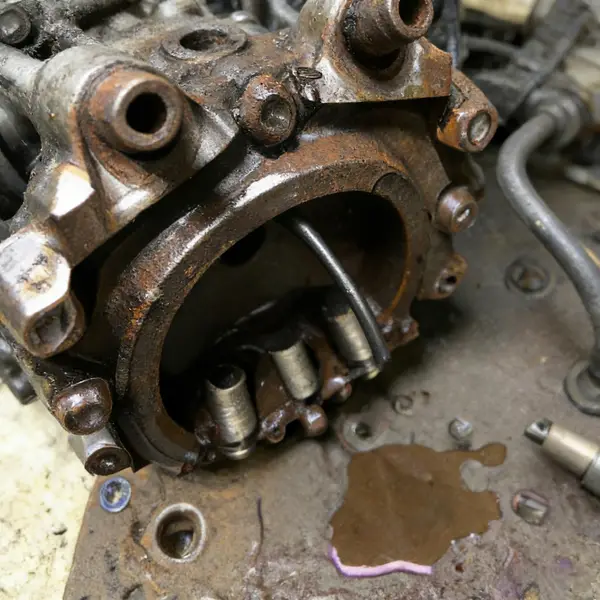
- Metal debris circulating throughout the oil system
- Significantly higher repair costs down the road
- Reduced resale value when the issue is documented
Acting early almost always leads to a cleaner, more cost-effective repair.
Frequently Asked Questions
What are the most common symptoms of cam phaser failure in a 2017-2020 F-150?
Cold-start rattling, hot-idle knocking, check engine light with VVT codes (P0016–P0019), and occasional hesitation or reduced fuel economy.
Does the cam phaser rattle affect truck safety or drivability?
Ford states the noise alone does not impact safety or emissions, but long-term wear can eventually lead to performance issues and more serious timing damage.
Is any warranty coverage still available under program 21N03?
The official program ended on January 1, 2023. However, some owners with lower mileage have received partial goodwill assistance by reaching out to Ford Customer Service.
Should I replace only the phasers or the entire timing system?
Most reputable shops recommend a complete timing kit (chains, guides, tensioners, and phasers) to avoid repeat labor and maximize engine longevity.
Are 2021 and newer F-150 models completely free of this issue?
Later models use revised phaser designs and improved oiling strategies that have dramatically reduced complaints, but regular maintenance is still essential.
Is it safe to keep driving with the cam phaser rattle?
Many owners continue driving for tens of thousands of miles with the noise present, but early diagnosis and repair are strongly recommended to protect the timing components and maintain resale value.
Final Thoughts: Take Control of Your F-150’s Health
The 2017–2020 Ford F-150 3.5L EcoBoost cam phaser issue is one of the most discussed topics among owners, yet it is manageable with timely action and the right parts. Whether you choose updated OEM-style phasers with a full timing refresh or a lockout solution for a high-mileage truck, addressing the rattle early helps maintain performance, reliability, and resale value.
If your truck is exhibiting unusual noises, scan for codes, check your oil, and consult a trusted Ford dealer or independent shop experienced with EcoBoost engines. For quality aftermarket parts and kits, 4BT Diesel is a reliable source many F-150 owners turn to for durable repair components.
Have you dealt with the cam phaser rattle in your 2017–2020 F-150? Share your mileage, symptoms, repair path, and outcome in the comments — your story could help the next owner make the best decision.
Note: Costs and program details reflect available information as of 2026 and can vary by location, shop rates, and specific vehicle condition. Always verify current coverage and pricing with your local dealer or qualified technician.