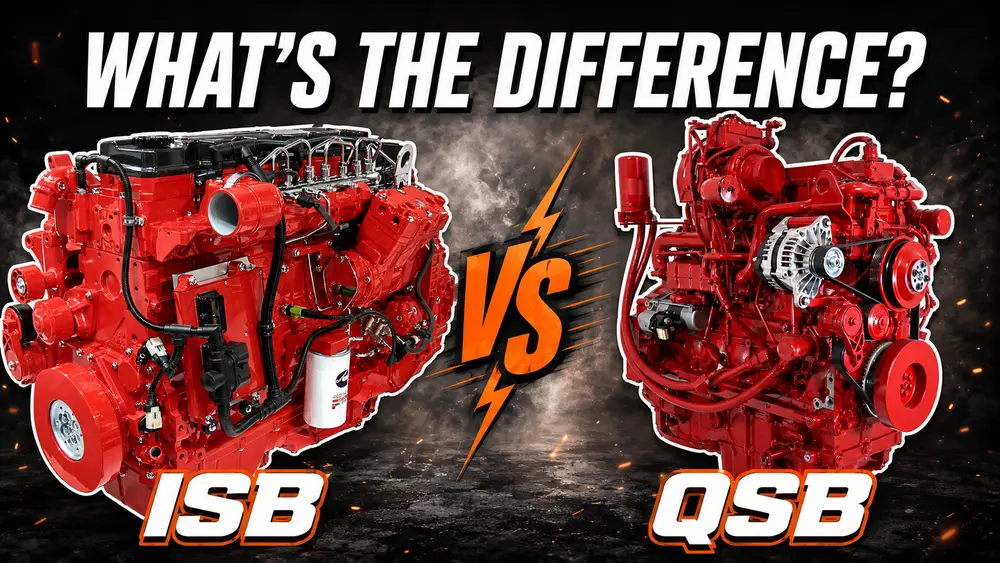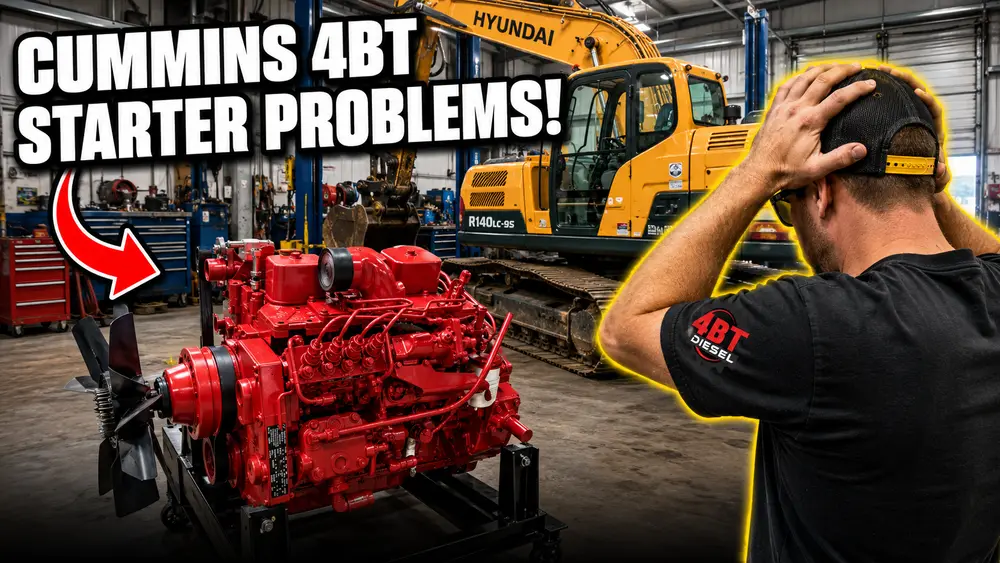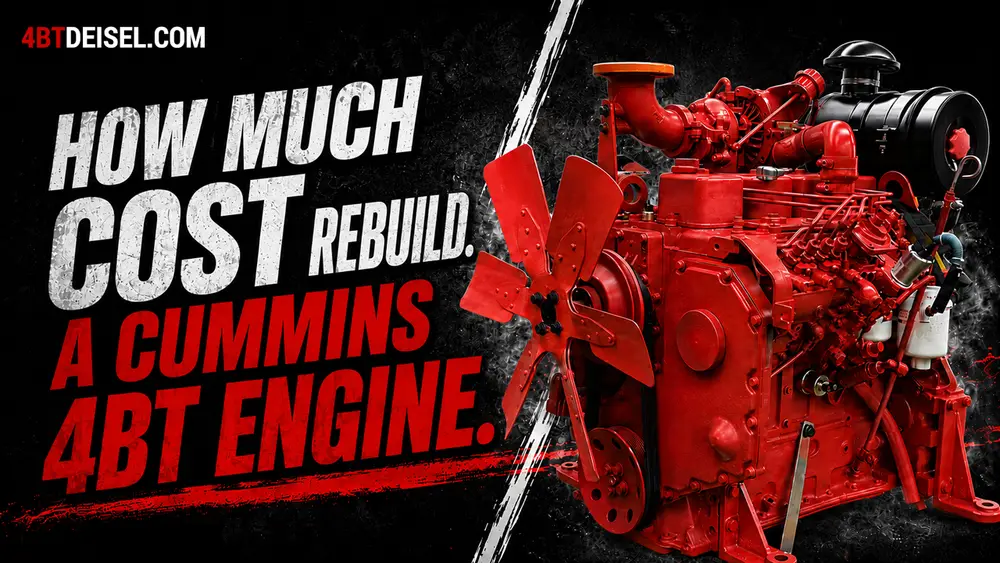

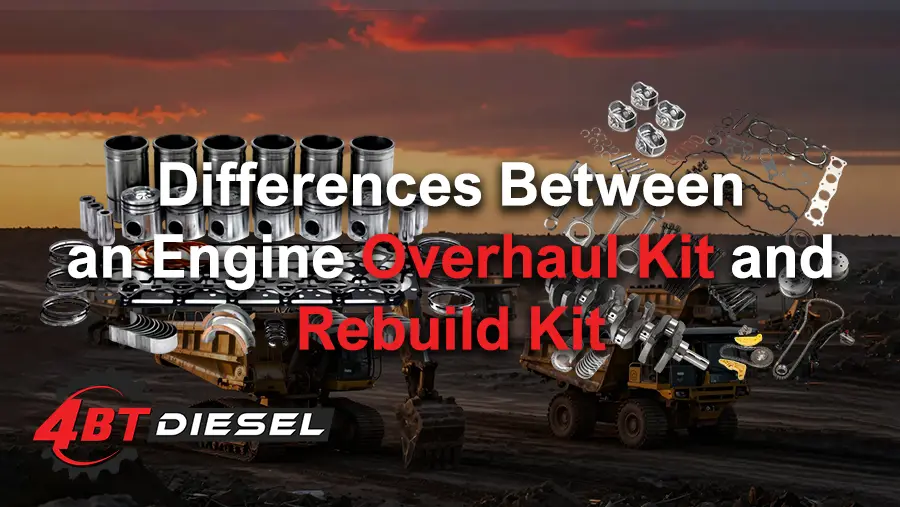
When it comes to engine maintenance, choosing the right parts kit is crucial to ensuring effective repairs, avoiding cost waste, and extending engine life. However, many car owners, mechanics, and operators of heavy machinery often confuse Engine Overhaul Kits and Rebuild Kits, mistaking them for interchangeable options. In fact, these two kits are designed for completely different maintenance scenarios, with distinct component configurations, costs, and repair requirements. These kits aren’t just for cars—they’re essential for heavy-duty applications in construction machinery (e.g., excavators, loaders, and dump trucks), agricultural equipment, and mining rigs, where engines like the Cummins 5.9L or 6.7L endure extreme loads and harsh environments. This article will comprehensively explain the definitions of the two kits, detail their main components (with reserved image positions), analyze their cost differences, and supplement key knowledge about component maintenance and repair. We’ll also highlight how these kits apply to both automotive and heavy equipment contexts, helping you accurately distinguish and choose the right kit for your engine needs. For genuine Cummins parts suited to these kits, explore 4BTdiesel’s engine rebuild section.
What Is an Engine Overhaul Kit? (Definition & Main Components)
An Engine Overhaul Kit is a targeted parts set designed for engine overhaul—a partial repair process that focuses on fixing specific faulty or worn components. Its core purpose is to address existing engine issues, restore basic operating performance, and avoid unnecessary part replacements. Unlike a Rebuild Kit, it does not include all engine components, only the most commonly worn or faulty parts required for targeted repairs. In heavy-duty applications like construction excavators or mining trucks, overhaul kits are ideal for quick fixes on-site, minimizing downtime without a full teardown. For more on overhaul processes, refer to Cummins’ official engine service guide.
Main Components of an Engine Overhaul Kit
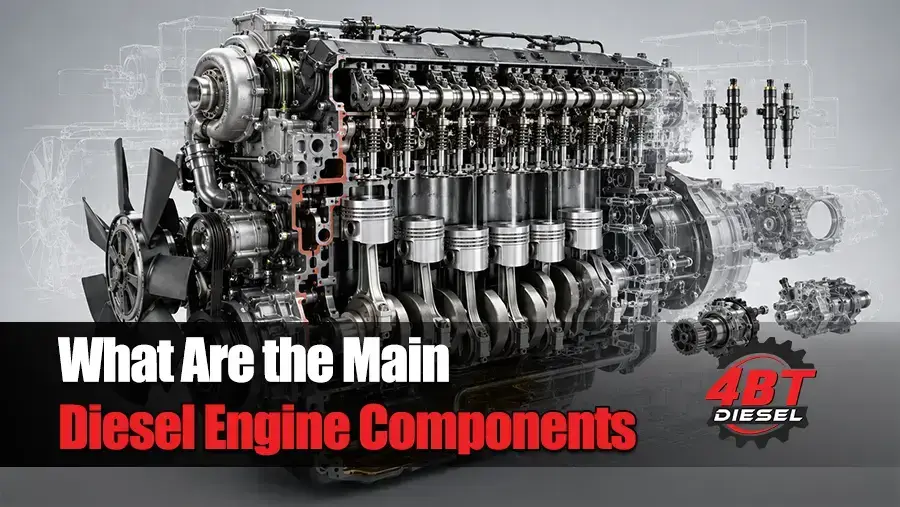
The components of an Engine Overhaul Kit are tailored to common engine faults and wear points, and they vary slightly by engine model (e.g., gasoline vs. diesel, passenger car vs. truck or heavy machinery). In construction equipment, these parts must withstand higher stress from continuous operation. Below are the standard core components, to illustrate each part clearly:
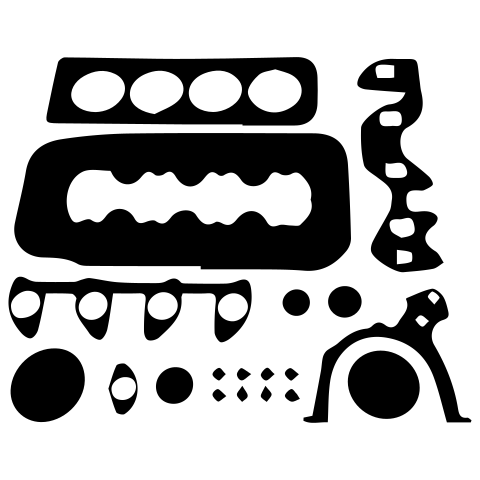
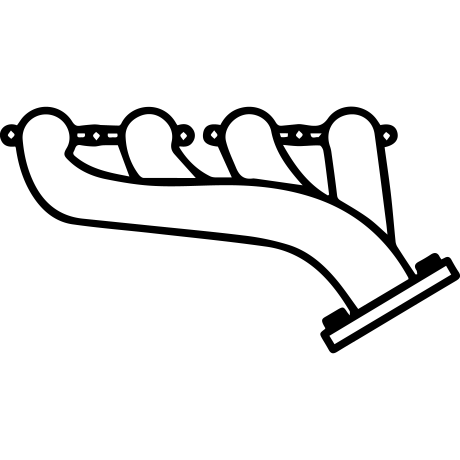
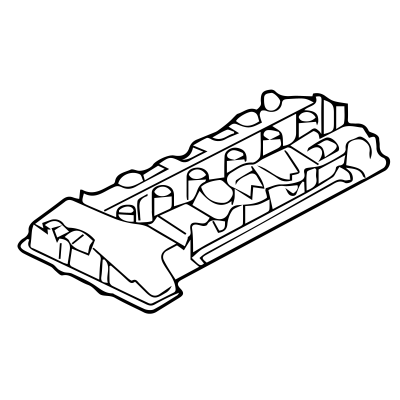
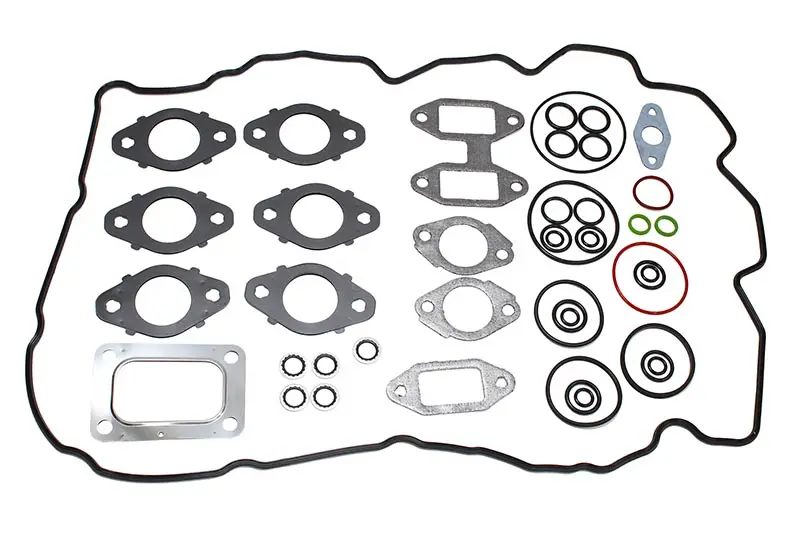
- Gasket Set: The most basic and essential component, including cylinder head gaskets, intake/exhaust gaskets, oil pan gaskets, valve cover gaskets, and crankshaft seals. These gaskets prevent oil, coolant, and air leaks after repair. In heavy machinery like loaders, robust gaskets are vital to handle vibration and dust.
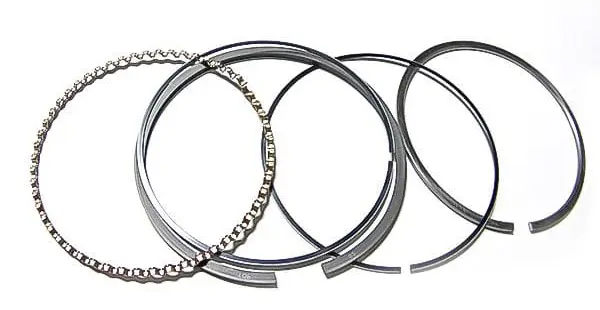
- Piston Rings: Responsible for sealing the gap between the piston and cylinder wall, preventing combustion gas leakage and ensuring proper oil control. Worn piston rings often cause reduced engine power and increased oil consumption. For diesel engines in construction trucks, high-compression rings reduce blow-by under load.
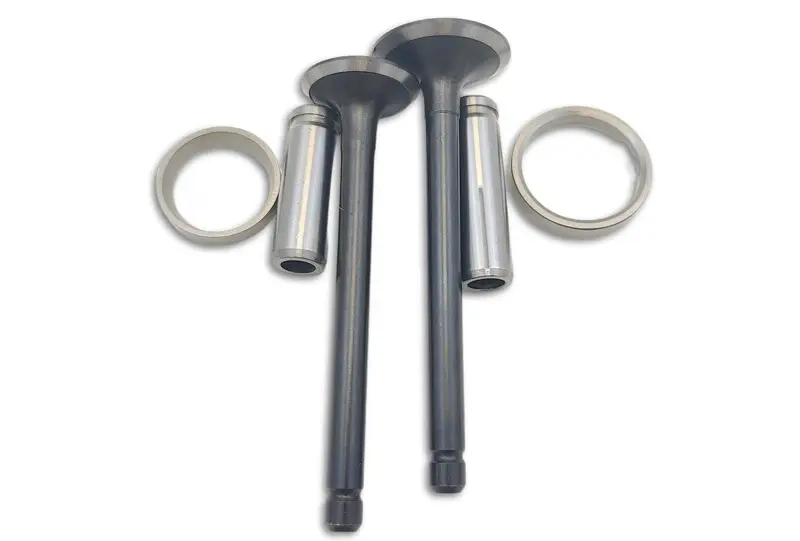
- Valve Components: Typically includes intake valves, exhaust valves, valve seals, and valve springs. These parts are prone to wear or damage due to high temperature and pressure, leading to poor engine breathing and valve leakage. In mining rigs, hardened valves resist abrasion from dusty environments.
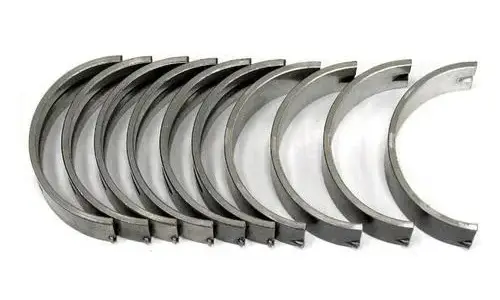
- Bearings: Mainly crankshaft main bearings and connecting rod bearings, which reduce friction between the crankshaft/connecting rod and the engine block. Worn bearings can cause abnormal engine noise and severe damage if not replaced. Heavy-duty variants use reinforced materials for excavator applications.
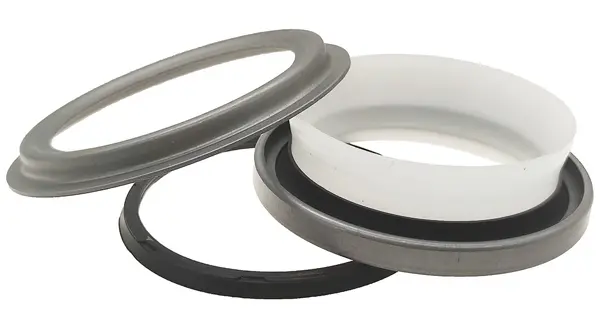
- Oil Seals & O-Rings: Small but critical components, including front/rear crankshaft oil seals, camshaft oil seals, and various O-rings. They prevent oil leakage from rotating or stationary parts, crucial in wet construction sites to avoid contamination.
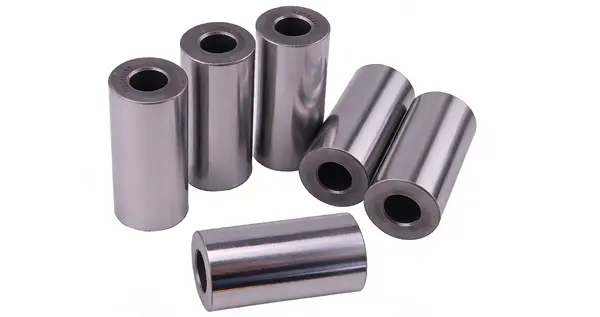
- Optional Components: Depending on the kit grade and engine model, some Overhaul Kits may include piston pins, wrist pins, or valve guides (for engines with severe wear in these areas). For heavy machinery, kits might add reinforced seals for high-vibration use.
Maintenance & Repair Notes for Overhaul Kit Components
To ensure the repair effect and component durability—especially in demanding construction environments—pay attention to the following points when using and maintaining parts from an Engine Overhaul Kit engine repair tips:
- Cleanliness First: Before installing new gaskets, piston rings, or bearings, thoroughly clean the installation surfaces (e.g., cylinder head, engine block) to remove oil, carbon deposits, and debris. Dirty surfaces can cause gasket leakage and bearing damage, exacerbated in dusty mining or construction settings.
- Proper Installation Torque: Tighten bolts (e.g., cylinder head bolts, bearing cap bolts) according to the manufacturer’s specified torque. Over-tightening can cause damage; under-tightening can cause leaks or loose parts, leading to failures under heavy loads.
- Check Component Fitment: Verify that all parts match the engine model (e.g., piston ring size, valve length). Mismatched parts will lead to repair failure and potential engine damage, particularly in modified heavy equipment.
- Break-In Period: After replacing parts, run the engine at low to medium speed for 500-1,000 miles (800-1,600 km) to break in new components. Avoid high speed and heavy loads during this period to ensure proper seating of piston rings and bearings—vital for construction vehicles that can’t afford downtime.
What Is an Engine Rebuild Kit?
An Engine Rebuild Kit is a comprehensive parts set designed for engine rebuild—a full reconstruction process that involves completely disassembling the engine, replacing all worn or aged components, and reassembling the engine to near-factory standards. Its core purpose is to restore the engine to like-new performance, addressing both existing faults and potential future issues (by replacing all aging parts, even if they are not currently faulty). In heavy construction machinery like bulldozers or loaders, rebuild kits are used for major overhauls to restore power and efficiency after thousands of hours of operation.
Main Components of an Engine Rebuild Kit
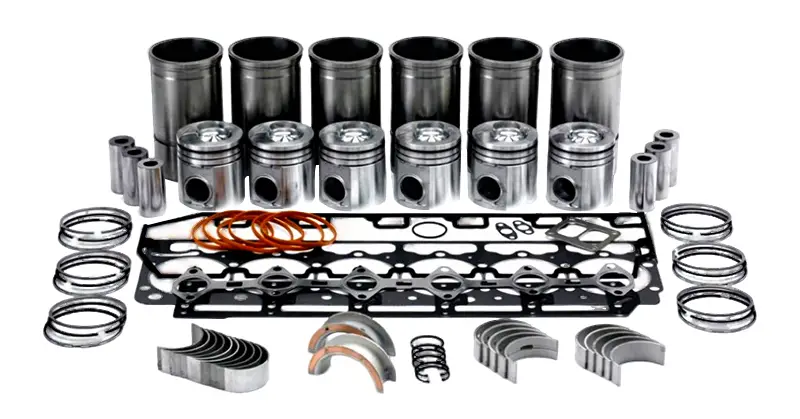
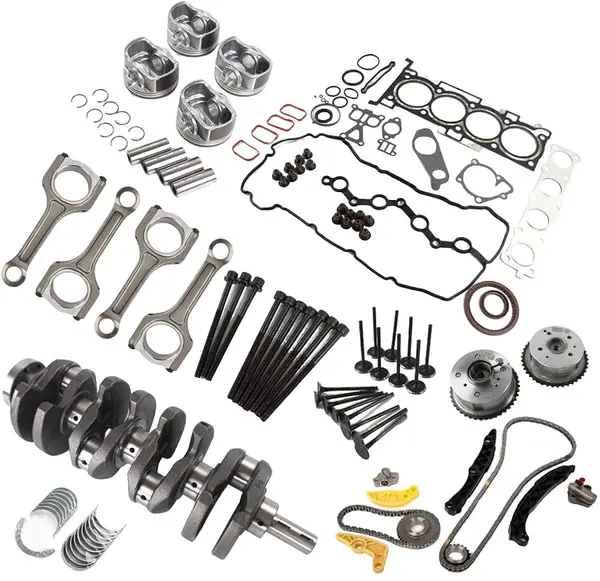
A Rebuild Kit includes almost all components needed to rebuild an engine from scratch, covering every major and minor part that may wear over time. It is a “one-stop” solution for full engine reconstruction, with components that meet or exceed original factory specifications. In heavy-duty applications, these kits feature reinforced parts for vibration and load resistance. Below are the standard core components:
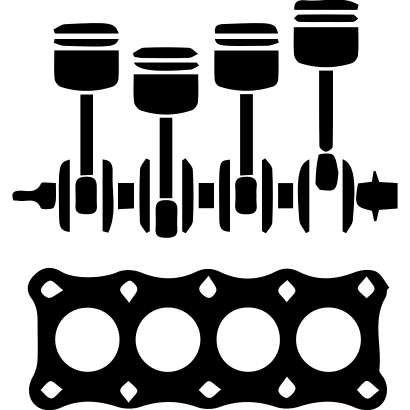
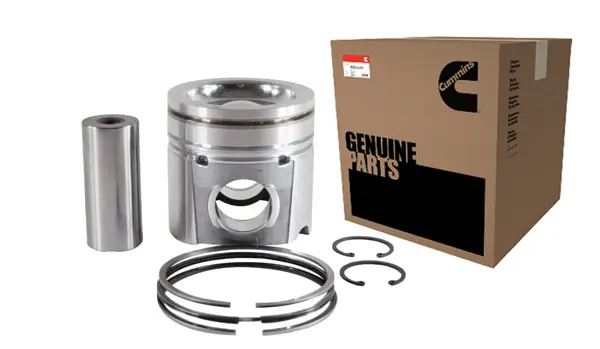
- Complete Piston Set: Includes pistons (usually 4/6/8 pieces, matching the engine cylinder count), piston rings, piston pins, and piston pin clips. These are brand-new, precision-machined components to ensure proper fit and performance—upgraded versions for construction engines handle higher compression.
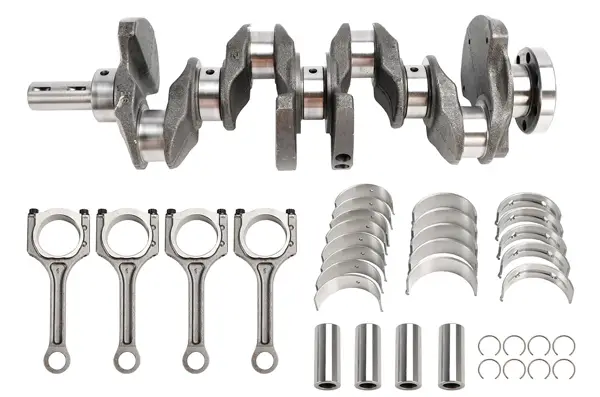
- Crankshaft & Connecting Rods: A brand-new or remanufactured crankshaft (the “heart” of the engine) and connecting rods, which transmit power from the pistons to the transmission. These components are precision-balanced to reduce vibration, essential for heavy machinery like excavators.
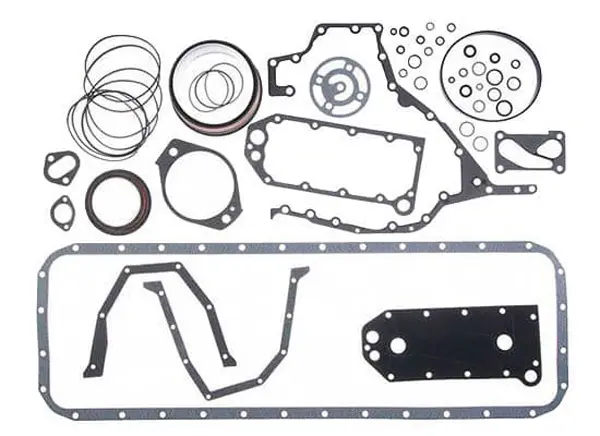
- Full Gasket & Seal Set: A more comprehensive set than the Overhaul Kit, including all gaskets, seals, and O-rings needed for the entire engine (e.g., timing cover gaskets, water pump gaskets, oil cooler gaskets). Reinforced for dust-prone construction sites.
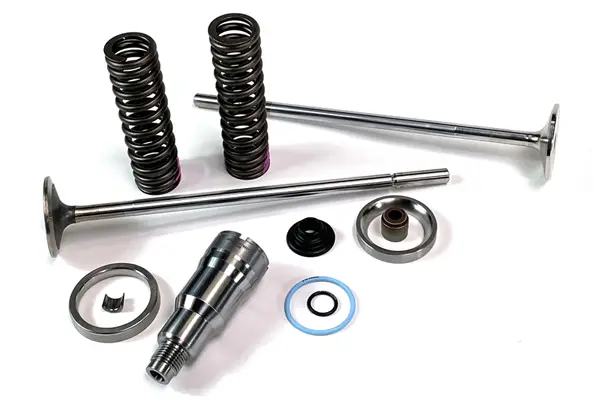
- Valve Train Components: Complete intake and exhaust valves, valve springs, valve guides, valve seals, camshaft, and timing chain/belt (or timing gears). These parts work together to control engine breathing and timing, with hardened materials for mining equipment endurance.
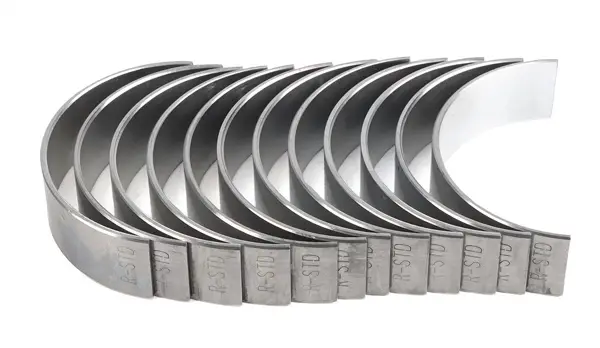
- Bearings: Crankshaft main bearings, connecting rod bearings, and camshaft bearings—all brand-new to ensure minimal friction and maximum durability. Oversized options available for worn blocks in heavy trucks.
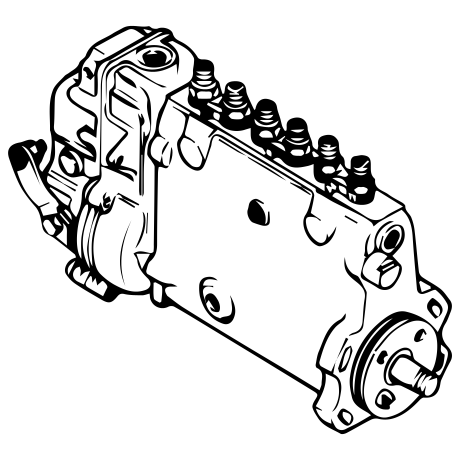
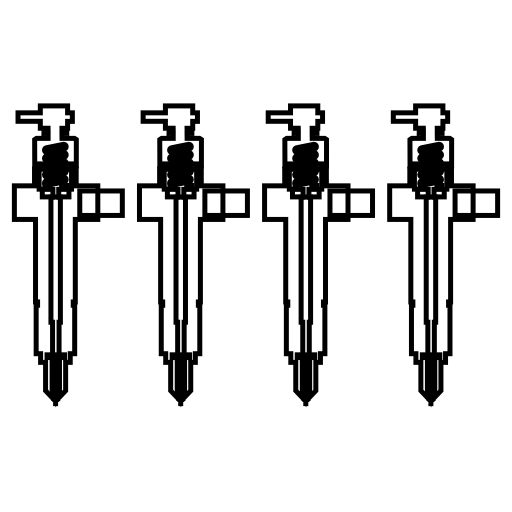
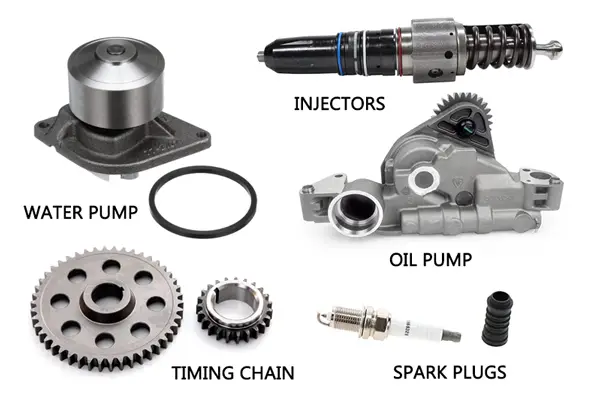
- Auxiliary Components: Oil pump, water pump, timing chain/belt tensioner, and sometimes spark plugs (gasoline engines) or injectors (diesel engines). These auxiliary parts are critical for engine cooling, lubrication, and ignition/fuel delivery in rugged construction environments.
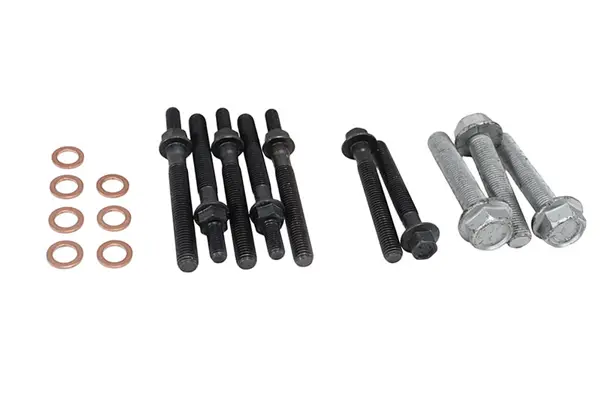
- Hardware Kit: All necessary bolts, nuts, washers, and clips to assemble the engine, ensuring proper fastening of all components—high-strength bolts for vibration-heavy machinery.
Maintenance & Repair Notes for Rebuild Kit Components
Engine rebuild is a high-precision process, and proper handling of Rebuild Kit components is essential to ensure engine performance and longevity, particularly in heavy construction where downtime costs thousands per hour 4BTdiesel rebuild guide:
- Precision Inspection Before Assembly: Even brand-new components may have minor defects. Inspect pistons, crankshafts, and valves for scratches, cracks, or size deviations using professional tools (e.g., micrometers, calipers)—critical for construction engines under constant stress.
- Proper Lubrication During Assembly: Apply engine oil to all moving components (e.g., bearings, piston rings, camshaft) before installation to reduce friction during the first startup and prevent component damage, especially in dusty mining applications.
- Timing Calibration: When installing the timing chain/belt and camshaft, strictly follow the manufacturer’s timing marks to ensure accurate valve timing. Incorrect timing can cause severe engine damage (e.g., valve-piston collision) in high-load heavy equipment.
- Post-Assembly Testing: After rebuilding the engine, conduct a compression test and leak-down test to verify sealing performance. Run the engine at idle for 30-60 minutes to check for abnormal noise, leaks, or overheating—simulate construction cycles for validation.
Cost Analysis: Engine Overhaul, Overhaul Kit & Rebuild Kit
Cost is a key factor when choosing between an Overhaul Kit and a Rebuild Kit. The total cost of engine maintenance includes two main parts: the cost of the kit itself and the labor cost for repair/rebuild. Below is a detailed breakdown of the costs, including the answer to “how much to overhaul engine” (total overhaul cost). All pricing reflects industry averages calibrated to 4BTdiesel’s 2026 OEM/aftermarket kit pricing data (Cummins 4BT/6BT core models) and cross-referenced with heavy-duty diesel equipment service benchmarks from leading industry sources. Cost adjustments for automotive vs. heavy construction applications align with 20–50% premium pricing for specialized heavy-duty components—a standard industry variance validated by Cummins official service cost guidelines, heavy equipment aftermarket part pricing data, and labor rate surveys for construction diesel engine technicians:
Engine Overhaul Kit Cost
The cost of an Engine Overhaul Kit varies by engine type, brand, and component quality (original vs. aftermarket). Here is a general price range for common vehicles and machinery:
- Household Passenger Cars (Gasoline Engines): $150-$500. Basic kits (gaskets, piston rings, bearings) cost $150-$300; premium kits (with additional valve components or optional parts) cost $300-$500.
- Household Passenger Cars (Diesel Engines): $300-$800. Diesel engines have higher pressure and wear resistance requirements, so overhaul kits are more expensive.
- Heavy-Duty Vehicles/Construction Machinery (Trucks, Excavators): $800-$2,000. Large diesel engines require more durable components, leading to higher kit costs—e.g., reinforced gaskets for vibration in loaders.
Note: Aftermarket kits are usually 30%-50% cheaper than original equipment manufacturer (OEM) kits, but OEM kits offer better fitment and durability, which is recommended for critical engine repairs in heavy equipment 4BTdiesel gasket kits.
Engine Rebuild Kit Cost
Rebuild Kits are far more expensive than Overhaul Kits due to their comprehensive component configuration. The price range is as follows:
- Household Passenger Cars (Gasoline Engines): $800-$2,500. Basic rebuild kits cost $800-$1,500; premium OEM kits (with remanufactured crankshaft/connecting rods) cost $1,500-$2,500.
- Household Passenger Cars (Diesel Engines): $1,500-$4,000. Diesel rebuild kits require higher-quality materials, so they are significantly more expensive.
- Heavy-Duty Vehicles/Construction Machinery (Trucks, Excavators): $3,000-$10,000+. Large engines require full sets of heavy-duty components, and OEM rebuild kits can cost over $10,000—e.g., reinforced crankshafts for mining rigs.
Total Cost of Engine Overhaul vs. Rebuild (Including Labor)
The total cost of engine maintenance includes both kit cost and labor cost. Labor cost varies by repair shop and region (higher in urban areas or for specialized heavy equipment), but here is a general comparison:
- Engine Overhaul (Using Overhaul Kit): Total cost = Overhaul Kit Cost + Labor Cost ($300-$1,000). For household passenger cars, total cost is usually $450-$1,500; for heavy-duty vehicles/construction machinery, $1,100-$3,000 (due to complex disassembly in excavators).
- Engine Rebuild (Using Rebuild Kit): Total cost = Rebuild Kit Cost + Labor Cost ($1,000-$3,000). For household passenger cars, total cost is usually $1,800-$5,500; for heavy-duty vehicles/construction machinery, $4,000-$13,000+ (including precision balancing for high-load applications).
Key Takeaway: Engine overhaul (with Overhaul Kit) is significantly cheaper than rebuild (with Rebuild Kit), making it ideal for budget-limited users with local engine faults. Rebuild is a long-term investment suitable for engines with severe wear or high performance requirements in construction.
Key Differences Between Engine Overhaul Kit and Rebuild Kit
To help you quickly distinguish the two kits—especially when deciding for automotive vs. heavy construction applications—we’ve optimized the table with added rows for “Application Examples” and “Durability Impact”. These kits in construction machinery (e.g., Cummins-powered loaders) demand higher-grade materials for dust/vibration resistance, increasing costs but enhancing longevity:
| Comparison Dimension | Engine Overhaul Kit | Engine Rebuild Kit | Unique Insight / Pro Tip |
| Core Purpose | Targeted repair of specific faults; restore basic performance | Full engine reconstruction; restore near-factory performance | Overhaul suits quick fixes in construction downtime; rebuild for total reset in high-hour machinery. |
| Component Scope | Partial components (gaskets, piston rings, key bearings, valves) | Comprehensive components (all engine parts, auxiliary parts, hardware) | Rebuild kits in heavy equipment include reinforced bearings for load-bearing—20% longer life in excavators Cummins heavy-duty rebuilds. |
| Kit Cost (Passenger Cars) | $150-$800 | $800-$4,000 | Aftermarket overhaul saves 40% but may fail faster in construction dust. |
| Kit Cost (Heavy Machinery) | $800-$2,000 | $3,000-$10,000+ | Higher for construction due to robust materials—worth it for 10,000+ hour engines. |
| Total Maintenance Cost | Lower ($450-$3,000) | Higher ($1,800-$13,000+) | Overhaul reduces downtime in mining rigs; rebuild justifies cost with 2x lifespan extension. |
| Maintenance Complexity | Low (partial disassembly; 1-3 days) | High (full disassembly; 3-7 days+) | Rebuild requires shop cranes for heavy construction engines—DIY overhaul is feasible for cars . |
| Suitable Scenarios | Local engine faults; medium service life; limited budget | Severe engine wear; multiple faults; high performance requirements | Use overhaul for spot repairs in loaders; rebuild for full overhauls in aging dump trucks. |
| Application Examples | Cars/trucks with gasket leaks; construction loaders with ring wear | Heavy mining rigs with crankshaft damage; agricultural tractors needing full refresh | In construction, rebuild kits prevent breakdowns—saving $10k+ in lost productivity. |
| Durability Impact | Extends life by 50,000–100,000 miles | Restores to 200,000+ miles like new | Rebuild’s full set boosts efficiency in heavy machinery by 15–20% vs. overhaul’s targeted fix. |
FAQ: Common Questions About Overhaul/Rebuild Kits & Costs
- Q: Can I use an Overhaul Kit instead of a Rebuild Kit for a severely worn engine?
A: No. If the engine has severe wear (e.g., cracked cylinder block, deformed crankshaft), an Overhaul Kit (which only includes partial parts) cannot address all issues. Using it will lead to repeated faults and higher cumulative costs. A Rebuild Kit is required for full reconstruction—especially in construction machinery. - Q: Are aftermarket Overhaul/Rebuild Kits reliable?
A: It depends on the brand. Reputable aftermarket brands (e.g., Fel-Pro, Mahle) offer high-quality kits that meet OEM standards. However, cheap, unbranded kits may have poor fitment and durability, leading to repair failure—avoid in heavy construction where vibration amplifies issues. - Q: Why is the labor cost for engine rebuild so high?
A: Engine rebuild requires full disassembly, precision inspection, component replacement, calibration, and testing—all of which are time-consuming and require professional skills. The labor cost accounts for 30%-50% of the total rebuild cost, rising in heavy machinery due to specialized tools. - Q: How often do I need to replace components from Overhaul/Rebuild Kits?
A: Components from a quality Overhaul Kit can last 1-3 years/30,000-50,000 miles (depending on usage). Components from a Rebuild Kit can last 5-10 years/100,000-150,000 miles, close to the service life of a new engine—longer in well-maintained construction equipment.
Conclusion
The core difference between an Engine Overhaul Kit and a Rebuild Kit lies in their purpose, component scope, and cost. An Overhaul Kit is a cost-effective solution for targeted repairs, ideal for engines with local faults and limited budgets—perfect for cars or spot fixes in construction machinery. A Rebuild Kit is a comprehensive solution for full engine reconstruction, suitable for severely worn engines or those requiring like-new performance in heavy-duty applications like excavators or loaders. These accessories aren’t just for cars—they’re vital for sustaining productivity in construction and mining, where robust, reinforced parts prevent costly downtime. When choosing a kit, consider your engine’s condition, budget, and usage needs, and always follow proper installation and maintenance guidelines for components. With the right kit and professional repair, you can extend your engine’s service life and ensure reliable performance. For more on Cummins kits, check our QSK60 rebuild insights or shop 4BTdiesel.