
A fuel filter is not the kind of part most owners think about until the machine starts acting strange. The engine cranks longer than usual. A diesel pickup loses power on a hill. A skid steer runs fine at idle, then falls flat when it starts working. In a shop, those symptoms can lead people straight to fuel pumps, injectors, sensors, or engine trouble.
In many real-world situations, the first part worth checking is still the fuel filter.
On a simple gas vehicle, a fuel filter job often lands somewhere between $80 and $300 once parts and labor are added. Diesel equipment is a different story. If the machine has a water separator, two filters, tight access, or needs priming afterward, $150 to $450+ is a more realistic number.
What Should You Expect to Pay for a Fuel Filter Change?
| Job Type | Typical Cost Range | What Usually Changes the Price |
|---|---|---|
| Aftermarket fuel filter | $10-$80 | Filter size, quality, application |
| OEM fuel filter | $40-$150+ | Brand, dealer pricing, special design |
| Labor | $70-$250 | Access, priming, corrosion, diagnosis |
| Gas vehicle replacement | $80-$300 | Inline vs hidden or in-tank design |
| Diesel equipment replacement | $150-$450+ | Water separator, dual filters, service access |
| DIY replacement | $10-$150 | Parts only, if the filter is easy to reach |
What many people do not realize is that the filter itself may be cheap, but the job is not always simple. A basic inline filter can be quick. A diesel fuel filter with a water bowl, sensor plug, priming step, or tight access can take longer.
For equipment owners comparing options, 4BTdiesel has compatible fuel filter replacement options that can help with parts selection before service.
What Affects Fuel Filter Replacement Price?
The biggest cost drivers are access, fuel system design, and whether the machine already has symptoms.
A filter sitting in plain view under the hood is normally a quick job. The price starts changing when the filter is tucked near the tank, hidden behind guards, mounted under the frame, or built into a larger housing. In those cases, the mechanic may spend more time reaching the filter than actually swapping it.
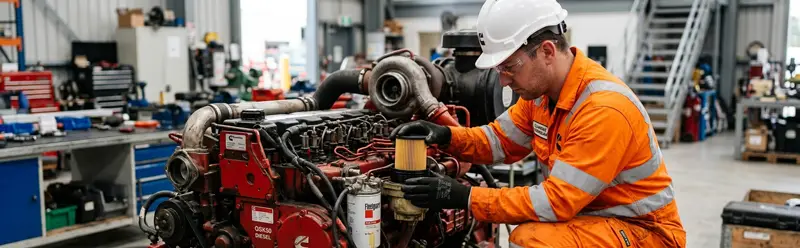
On diesel machines, the filter may not be just a spin-on canister. It may have a drain bowl, a water separator, a heater, or a water-in-fuel sensor plugged into it. Once the new filter is installed, the fuel system may also need to be primed, or the engine may crank without catching.
This is where a lot of repair bills get misunderstood. The owner asks for “just a filter,” but the machine arrives with hard starting, stalling, or weak power. At that point, a mechanic cannot assume the filter is the whole story. Fuel pressure, air leaks, contamination, and lift pump operation may all need a quick check.
That diagnosis adds cost, but it can also prevent replacing the wrong parts.
Fuel Filter Parts Cost
Fuel filter parts usually range from $10 to $80 for many aftermarket options. OEM filters, diesel filters, and filters with special housings or water separation features can cost $40 to $150+.
Part price depends on:
- Machine model
- Engine model
- Filter size
- Primary or secondary filter position
- Water separator design
- Sensor or heater connection
- OEM vs aftermarket source
- Filter quality and sealing design
One common misunderstanding is buying by appearance. Two filters can look almost the same but have different threads, gasket positions, flow directions, or filtration requirements.
Before ordering, check the old part number, machine model, engine model, filter dimensions, thread size, seal type, drain bowl, sensor port, and mounting position.
Fuel Filter Labor Cost
Labor often runs $70 to $250, but it depends on access and system setup.
A clean, accessible fuel filter may take less than an hour. A rusty underbody filter, stuck fitting, tight equipment compartment, or diesel priming procedure can take longer.
The price can also jump when old fittings fight back. A rusty line, cracked connector, leaking seal, or damaged filter head can turn a routine service job into a repair job.
In the shop, two things make this job more annoying than expected: corroded fittings and tiny air leaks. Neither looks dramatic at first, but both can leave the owner wondering why the engine still cranks too long after a new filter is installed.
Signs You Need to Replace the Fuel Filter
A restricted fuel filter does not always show up at idle. Many machines idle fine in the yard, then lose power once they start working.
Common signs include:
- Hard starting
- Long cranking
- Loss of power under load
- Rough idle
- Stalling
- Hesitation
- Poor fuel economy
- Water-in-fuel warning
- Visible dirt, rust, or water in the filter bowl
- Repeat filter clogging after bad fuel
This usually indicates a fuel delivery problem, but it does not always prove the filter is the only issue. Low power is not always the filter’s fault. A weak lift pump, dirty tank, cracked suction line, injector issue, or bad sensor can mimic the same complaint.
That said, checking the filter first still makes sense. It is cheaper than guessing at injectors or pumps, and a clogged filter is common enough that skipping it can waste diagnostic time.
Can You Keep Running With a Bad Fuel Filter?
When the machine still starts cleanly and pulls normally, the filter change can usually wait until the next planned service stop.
But once the engine starts losing power, stalling, or showing a water-in-fuel warning, keep an eye on the clock. Running it longer may save one service stop today and create a much bigger fuel-system bill later.
Caterpillar’s service guidance for a primary fuel filter also highlights several practical points mechanics care about: drain water and fuel safely, clean the mounting base, do not prefill certain filters with fuel, prime the system properly, and inspect the used filter for debris. Those steps matter because poor installation can create a new problem right after the replacement.
DIY vs Professional Fuel Filter Replacement
Some fuel filters are safe for experienced owners to replace. Others are better left to a mechanic.
DIY makes sense when:
- The filter is easy to reach
- You have the exact replacement part
- You know how to relieve fuel pressure
- You can work cleanly
- You can replace seals correctly
- You can prime or bleed the system if required
- You can check for leaks after startup
Professional service is smarter when the machine already has symptoms, the filter is hard to access, or downtime would cost more than labor.
What often happens with DIY mistakes is simple: dirt gets into the clean side, an O-ring is reused, the filter is installed dry when priming is required, or the wrong filter is fitted because it “looked close.”
How to Choose the Right Fuel Filter
Do not choose a fuel filter only by price. The cheapest filter is not a bargain if it does not seal correctly or protect the fuel system.
Check compatibility before ordering:
- Machine model
- Engine model
- Existing part number
- OEM cross-reference
- Filter height and diameter
- Thread and gasket type
- Flow direction
- Primary or secondary position
- Sensor, drain, heater, or bowl connection
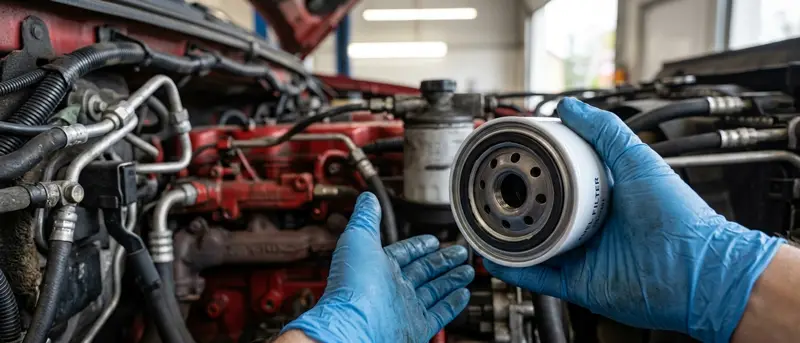
For fleets and heavy equipment owners, quality aftermarket fuel filters can help control maintenance costs. The key is correct fitment. A filter that matches the application is useful. A filter that only looks similar is a risk.
You can use 4BTdiesel fuel filter listings to compare replacement fuel filter options by application before ordering.
How to Lower Fuel Filter Replacement Cost
The cheapest fuel filter job is usually the one done before the breakdown.
Replace the filter on schedule. Keep spare filters for field machines. Drain the water separator when needed. Buy clean fuel from reliable sources. If several machines clog filters after using the same tank, check the fuel storage instead of blaming the filters.
[IMAGE SUGGESTION: maintenance log showing fuel filter service hours for fleet equipment]
If a new filter plugs quickly, stop and look deeper. The real issue may be tank rust, water contamination, algae growth in stored diesel, dirty transfer tanks, or deteriorating fuel lines.
Replacing filter after filter without fixing the fuel source is wasted money.
Buyer Questions
How much does it cost to change a fuel filter?
Most gas vehicle fuel filter replacements cost around $80 to $300. Diesel vehicles and equipment often cost $150 to $450+, depending on access, filter type, and priming.
How much does a fuel filter cost by itself?
Many aftermarket fuel filters cost $10 to $80. OEM or diesel fuel filters with water separator features may cost $40 to $150+.
Is fuel filter replacement urgent?
It becomes urgent when the engine stalls, loses power, cranks too long, or shows a water-in-fuel warning. If the machine has no symptoms, follow the normal service interval instead of waiting for a breakdown.
Can a clogged fuel filter damage injectors?
The restriction itself reduces fuel flow, but contamination is the larger risk. Dirt or water in diesel fuel can lead to expensive injector or pump damage.
Is an aftermarket fuel filter reliable?
Yes, if it matches the correct machine, engine, sealing design, and filtration requirement. Fitment matters more than the lowest price.
Final Cost Advice Before You Order Parts
Fuel filter replacement is usually a manageable maintenance cost. The expensive part is waiting until a restricted or contaminated filter starts affecting the rest of the fuel system. For many gas vehicles, $80 to $300 is a fair working range. For diesel engines and heavy equipment, plan closer to $150 to $450+, especially when access, priming, or water separation is involved.
Before ordering, match the filter by part number, engine model, seal type, and filter position. Replace it on schedule, and do not ignore hard starting, stalling, or low-power complaints. Those symptoms are where a small filter job can start turning into pump, injector, or downtime trouble.In addition, 4BTdiesel filters come with a 6-month warranty and a 30-day return policy to protect your rights. Visit our website today to shop now!